Chimney leak repair in Seattle
Water stain on the ceiling by the fireplace? Musty smell every time it rains? We find where the water is actually getting in, whether it's flashing, the crown, the cap or the brick itself, and fix that source so it stays fixed through the next rainy season. From our base in Redmond, we serve Seattle and the Eastside, including Kirkland, Bellevue, Sammamish and Woodinville.
- Written quotes before work
- Source found first
- On-time arrival windows
- Free written quote before any work
- Camera photos of what we find
- Serving the Eastside and Seattle
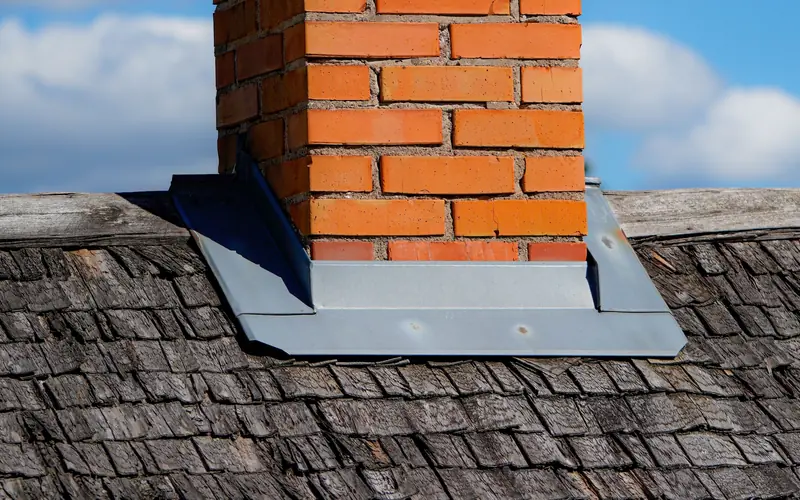
Stock photo (Pexels), for illustration.
How quotes work
Tell us what you need and when. We confirm a real arrival window, inspect, and put the quote in writing so you can decide without pressure.
- We look first, with camera photos of what we find
- You get a clear written quote before any work
- Nothing is added afterward. You approve first
- Real arrival windows, confirmed by text
Why chimneys leak so often in Seattle
Seattle gets roughly 39 inches of rain a year, and most of it arrives between October and April in long, steady stretches. A chimney sits above the roofline, takes rain on all four sides, and is made of brick and mortar, which soak up water. Add a few hard freezes on saturated brick, and small gaps turn into big ones.
The result: chimney leaks are one of the most common water problems in older Seattle homes, and they're often blamed on the roof. Roofers will happily replace shingles around a chimney, but if the water is coming through a cracked crown or porous brick, the leak comes right back.
Five places a chimney leaks (and how to tell)
| Source | What you might notice | Typical fix |
|---|---|---|
| Flashing (metal where the chimney meets the roof) | Stains on the ceiling or wall next to the chimney, worse in wind-driven rain | Reseal, or replace step and counter flashing |
| Crown (concrete slab on top) | Water in the firebox, damp smoke chamber, stains high on the chimney | Seal hairline cracks, or rebuild the crown with overhang |
| Missing or damaged cap | Water in the firebox, rusted damper, animals or debris in the flue | Install a stainless steel or multi-flue cap |
| Porous brick and mortar | White staining (efflorescence), flaking brick, damp patches on interior walls | Tuckpointing, brick replacement, breathable water repellent |
| Condensation (often with gas appliances or unlined flues) | Water or staining inside with no rain, especially in cold weather | Correct liner sizing, venting repairs |
Often there's more than one source. That's why we diagnose before we quote.
How we diagnose a chimney leak
- Talk it through. When does it leak? Every rain, or only in storms from the south? Has anything changed, like a new roof? Your answers narrow it down fast.
- Inside inspection. We look at the firebox, damper, smoke chamber and the walls and ceiling around the chimney, and check the attic side if there's access.
- Roof inspection. Crown, cap, brick, mortar joints and every piece of flashing, photographed up close.
- Water test when needed. If the source isn't obvious, we test sections of the chimney with water, one at a time, to find exactly where water gets in.
- Photos and a written quote. You see the problem and the fix, and you approve a written quote before any work begins.
Chimney leak repairs we do
Flashing repair and replacement
Flashing is the metal that seals the joint between the chimney and the roof. Good flashing has two layers: step flashing woven into the shingles, and counter flashing cut into the mortar joints and lapped over it. A lot of Seattle chimneys have only a bead of caulk or roofing tar holding things together, and that fails within a few years. We replace failed flashing properly, with counter flashing set into a ground-out mortar joint rather than just glued to the face of the brick.
Crickets for wide chimneys
A cricket is a small peaked roof built on the uphill side of a chimney so water and debris flow around it instead of piling up against it. Building codes call for one when a chimney is more than 30 inches wide across the slope, but many older Seattle chimneys were built without one.
Crown repair and caps
A cracked crown sends water straight down into the chimney. We seal small cracks with a flexible crown sealant and rebuild failing crowns with a proper slope and overhang. A stainless steel cap keeps rain out of the flue itself. See chimney repair for details.
Masonry repair and waterproofing
When the brick and mortar themselves are letting water in, we repoint failing joints and replace spalled brick, then apply a breathable water repellent made for masonry. Breathable matters: sealing brick with paint or a non-breathable coating traps moisture inside, and the next freeze does more damage. See masonry and tuckpointing.
What happens if you ignore a chimney leak
Chimney leaks rarely fix themselves, and they're slow to show up, so by the time you see a stain, water has usually been getting in for a while. Left alone, it can:
- Rot roof sheathing, framing and the wood around the chimney
- Rust out dampers, firebox doors and metal chase covers
- Crack flue tiles and break down the mortar inside the chimney
- Cause mold in the attic or in walls next to the chimney
- Speed up freeze-thaw damage until the top of the chimney needs rebuilding
Fall is the best time to fix a leak, before the heavy rain starts. If you're already dripping in December, call anyway; we can often make a temporary repair until the weather allows a permanent one.
Quick checks you can do from the ground
You don't need to climb on the roof to gather useful clues before you call. Safely, from the ground or inside:
- Note when it leaks. Every rain, or only in heavy, wind-driven storms? Wind-driven leaks often point to flashing or a particular side of the chimney.
- Look for a cap. Binoculars help. No cap means rain falls straight into the flue.
- Check the brick. White staining, dark damp patches that stay after the rain stops, or flaking brick all mean water is moving through the masonry.
- Look in the firebox. Water, rust on the damper or a musty smell point to the top of the chimney: crown or cap.
- Check the attic if you can do so safely. Water stains or damp wood beside the chimney often mean flashing.
- Take photos of stains and when they appear. They help us find the source faster.
Please leave the roof to us. Wet roofs and chimneys are slippery, and chimney leaks aren't worth a fall.
Leak or condensation?
Not every wet chimney is a rain leak. Older masonry chimneys that now vent a modern high-efficiency furnace or water heater, or a gas insert without a properly sized liner, can produce condensation inside the flue. That moisture is acidic, it damages mortar from the inside, and it shows up as staining or dripping on dry days too. The fix is usually a correctly sized liner, not a roof repair. If your "leak" appears in cold, dry weather, tell us when you book.
Frequently asked questions
Why does my chimney leak when it rains?
The most common causes are failed flashing where the chimney meets the roof, a cracked crown, a missing cap, or porous brick and mortar. In Seattle, long stretches of steady rain find every small gap. A proper diagnosis checks all of them, because there's often more than one.
Why does my chimney smell musty when it rains?
Moisture in the chimney mixes with soot and creosote and gives off a musty, smoky smell, especially in humid weather. It's usually a sign of a missing cap, a cracked crown or water soaking into the brick. A sweep and a leak check usually solve it.
How much does chimney leak repair cost in Seattle?
It depends on the source: resealing flashing or adding a cap is a smaller job than replacing flashing or rebuilding a crown. We find the source first, show you photos, and give you a clear written quote before any work starts.
Should I call a roofer or a chimney company for a chimney leak?
If the leak is in the flashing alone, either can fix it. But many leaks come through the crown, cap or brick, which roofers don't usually repair. A chimney company can check every source and fix the right one.
Is chimney waterproofing worth it?
It can be, on sound brick. A breathable masonry water repellent reduces how much water the brick absorbs. It isn't a fix for cracked crowns, bad flashing or crumbling mortar, so those need to be repaired first. Avoid paint or non-breathable sealers, which trap moisture.
Can you fix a chimney leak in the winter?
Often, yes. Many repairs can be done between rainstorms, and if conditions aren't right for a permanent repair, we can make a temporary one and come back.
Stop the leak before the next storm
Book a leak diagnosis online or call (425) 440-0488. We'll find the source and give you a written quote to fix it.
Other chimney and fireplace services
Chimney sweep & cleaning
Full sweep, Level 1 inspection and camera photos of your flue.
Chimney inspection
Level 1, 2 and 3, including real estate and after an earthquake.
Chimney repair
Crowns, caps, dampers, liners, smoke chambers and fireboxes.
Masonry & tuckpointing
Mortar matched to older brick, spalled brick and partial rebuilds.

Gas fireplace service
Tune-ups, pilot and ignition repair, glass and venting checks.
Photos are stock images (Pexels) for illustration. They are not photos of our jobs or crew.